
Building an apparel photoshoot with generative AI means controlling silhouette, fabric behaviour, stitch lines, and fit — not a floating graphic tee on pure white. Matte cotton, shiny nylon, corduroy wales, and leather each need different light. Left/right sleeve length and print placement are where generic Midjourney fashion dumps fall apart.
These 50+ AI prompts for apparel photoshoot concepts are grounded in live Apparel prompts on Pinitup (Jackets, T-shirts, studio, flat lay, lifestyle). Treat every card as a shoot brief for hybrid workflows — real garment first, AI for set extensions, colorway variants, and Meta crops — especially when r/streetwearstartup founders push back on AI-only mockups.
Each section embeds a verified Pinitup prompt: find the shot, copy the prompt, then iterate for PDP, lookbook, and paid social.
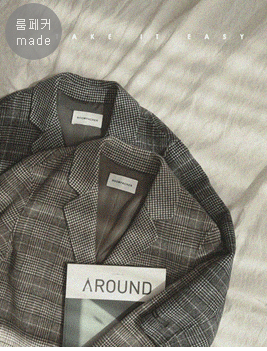
1. Flat Lay Blazer Grids for Catalog Consistency
Flat lay clothing photography is how many Shopify catalogs stay consistent across colorways — same camera height, same fold language, readable lapels and buttons. For apparel founders on a budget, a strong flat-lay system beats a random pile of phone pics.
Prompt for even soft light, clean negative space, and fabric texture that survives Feed crop. Use flat lays when you need speed and SKU coverage before an on-model day.
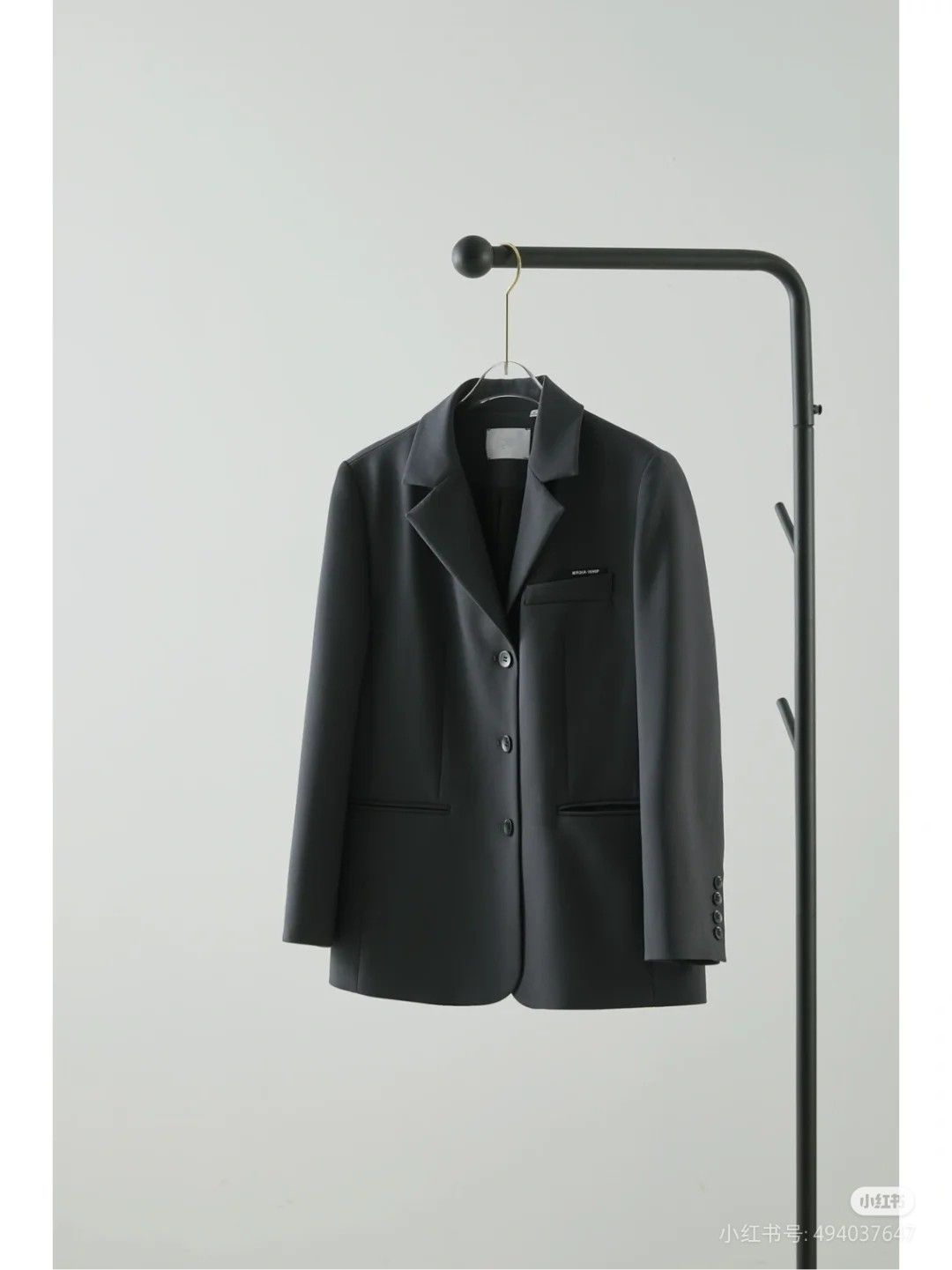
2. Minimal Studio Blazer Hero (PDP Workhorse)
A charcoal blazer on a quiet studio set is the apparel equivalent of a jewellery side-profile hero: silhouette, construction, and fabric behaviour in one frame. Softboxes and soft falloff keep wool matte instead of plasticky.
Lock camera height mid-torso, specify garment drape and shoulder structure, and avoid invented logos. This is the first shot most DTC accounts should baseline for ROAS.
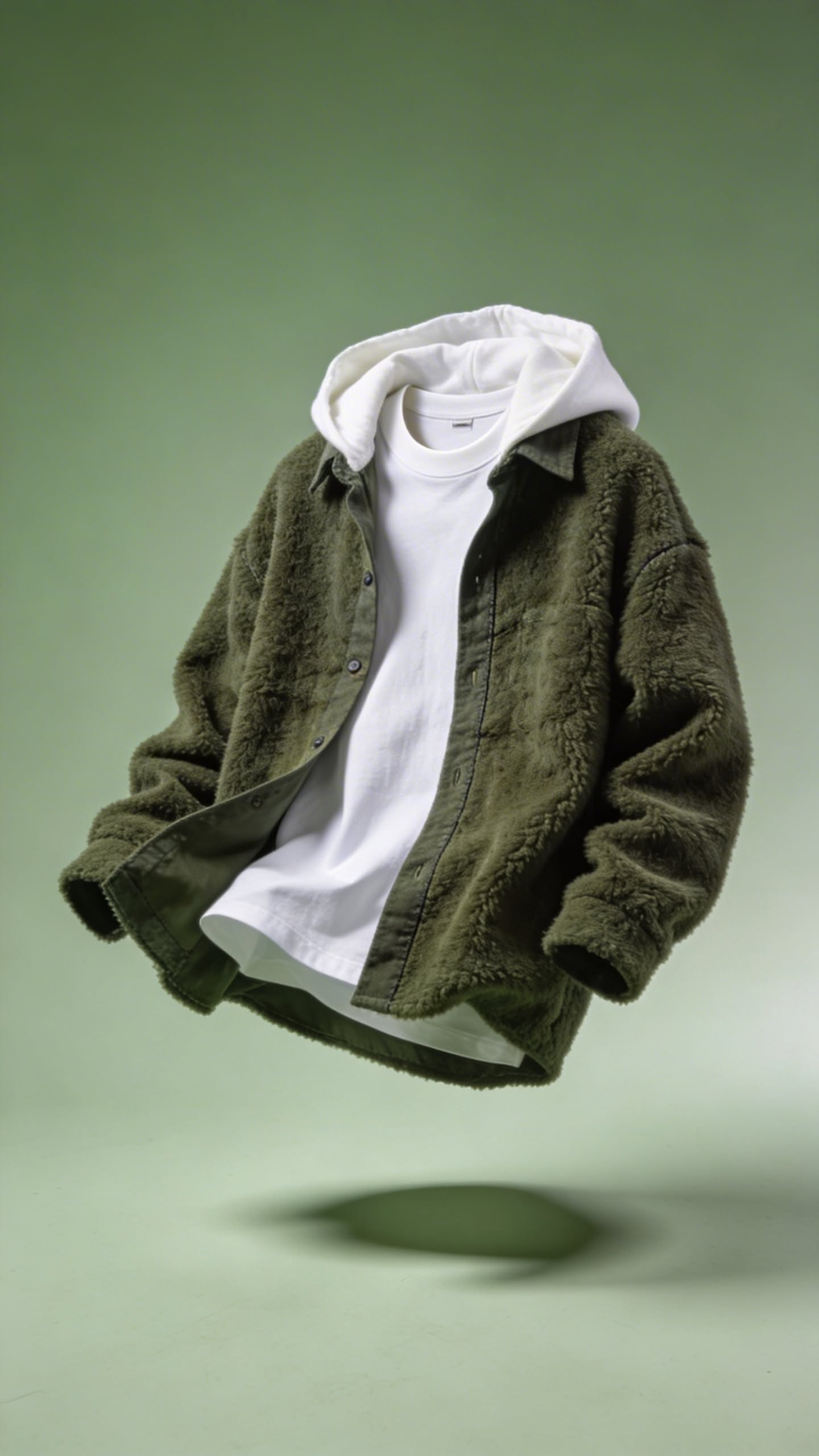
3. Layered Fleece + Hoodie Product Story
Streetwear drops live on layering — fleece over hoodie, visible hems, cuff volume. r/streetwearstartup SHOWCASE culture rewards craft details; AI-only fantasy fits get roasted unless framed as a shoot brief or hybrid.
Call out layer order, fabric pile vs smooth face, and believable sleeve length. Great for lookbook openers and Meta variants of the same SKU.
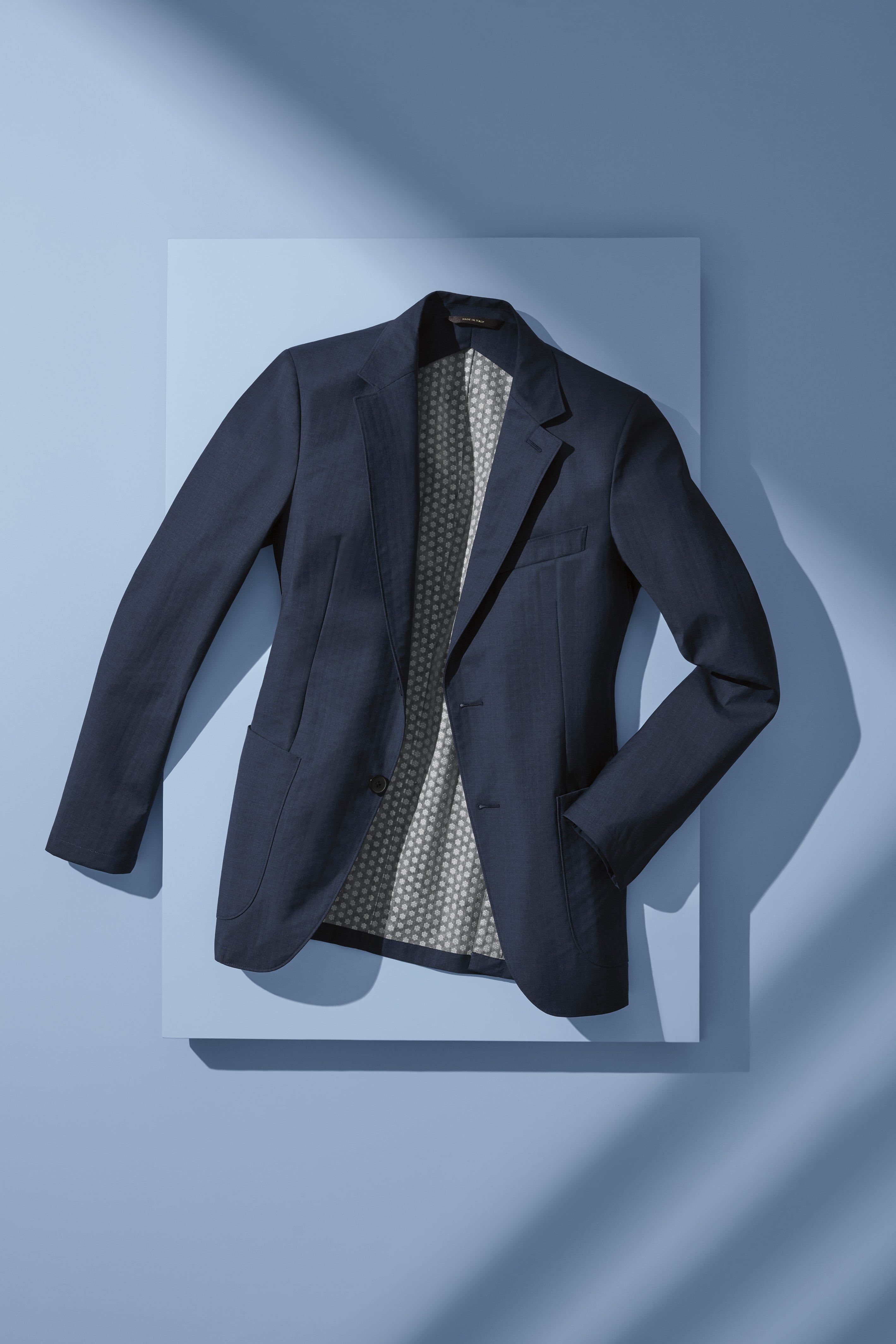
4. Suit Jacket Flat Lay for Clean Ecommerce
Suiting needs sharper crease and button discipline than casual outerwear. A navy flat lay sells formality without a model — useful for colorway grids and wholesale lookbooks.
Prompt for pressed lapels, even shoulders, and controlled speculars on buttons. Pair with ghost-mannequin or on-model later once the offer converts.
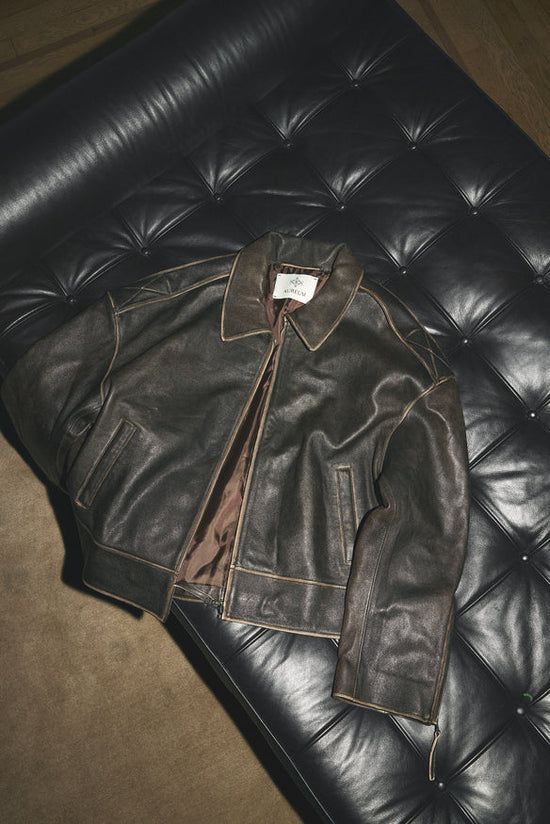
5. Dark Moody Leather Bomber Campaign
Leather bombers want chiaroscuro thinking: directional light, deep shadows, and speculars that prove the hide is real. Dark & moody campaign frames carry Instagram and Meta when polished studio packs fatigue.
Specify leather grain, hardware catchlights, and a backdrop that doesn’t compete. Disclose AI where brand trust or platform rules need it — operators have seen the “AI model app” fatigue cycle.
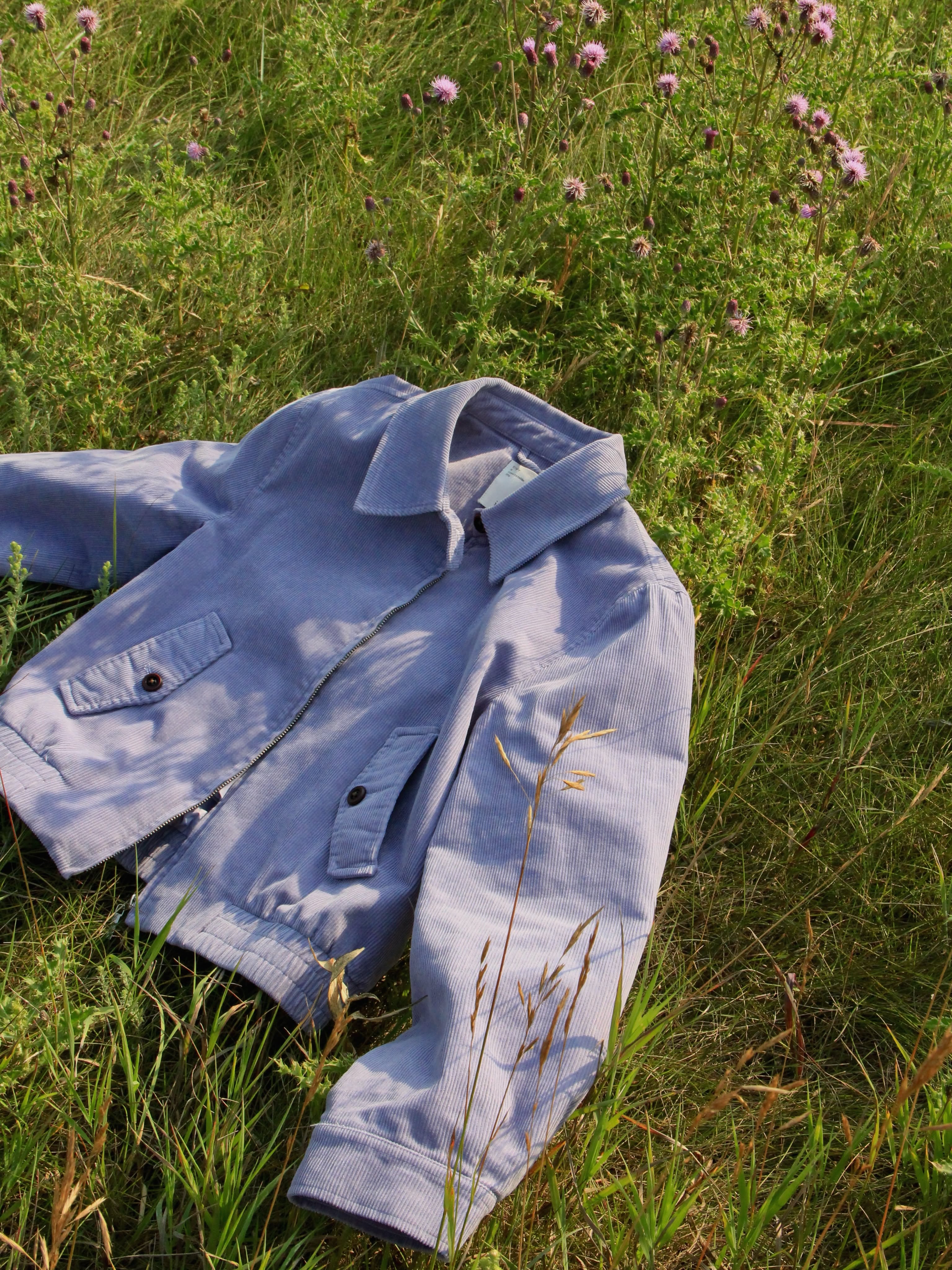
6. Outdoor Corduroy Lifestyle Photoshoot
Outdoor lifestyle sells fabric behaviour in air and daylight — corduroy ridges, botanical context, motion without losing the garment. It’s the bridge between pure PDP and full lookbook casting.
Prompt for natural light direction, readable wales in the cord, and environment that supports the jacket. Hybrid tip: real garment photo → AI backdrop/crop variants for fatigue cycles.
Need more angles for the same SKU? Browse the live Apparel chip on Pinitup (75 prompts), find the shot that matches your funnel stage, and copy the prompt into your photoshoot stack.
Frequently asked questions
How do you keep AI apparel photoshoot prompts from melting sleeves, logos, or fit?
Name the construction: shoulder structure, sleeve length, hem volume, stitch/print placement, and “no logo invention.” Keep framing close enough that silhouette errors show early. For production PDPs, hybridize — real garment photo plus AI for backdrop and crop variants.
Flat lay or on-model — what should clothing brands test first?
Most Shopify apparel accounts start with consistent flat lays or clean studio heroes for catalog clarity, then add on-model / lifestyle once the offer converts. Use on-model earlier when fit and street positioning are the hook; use flat lays when you need SKU speed and colorway grids.
Can AI apparel photoshoot outputs be used for Instagram and Meta ads?
Yes for concepting, moodboards, organic, and many paid statics — same pattern as the live jewellery and fragrance posts. Disclose synthetic imagery where platform or brand rules require it, and keep AI as a variant engine beside real product photography and UGC try-ons, not a wholesale replacement.